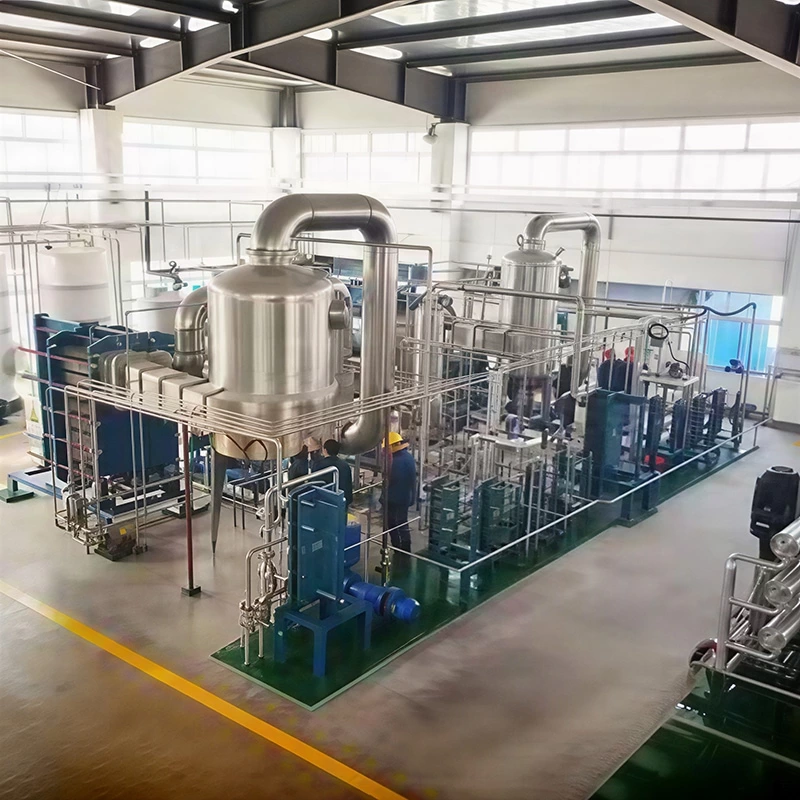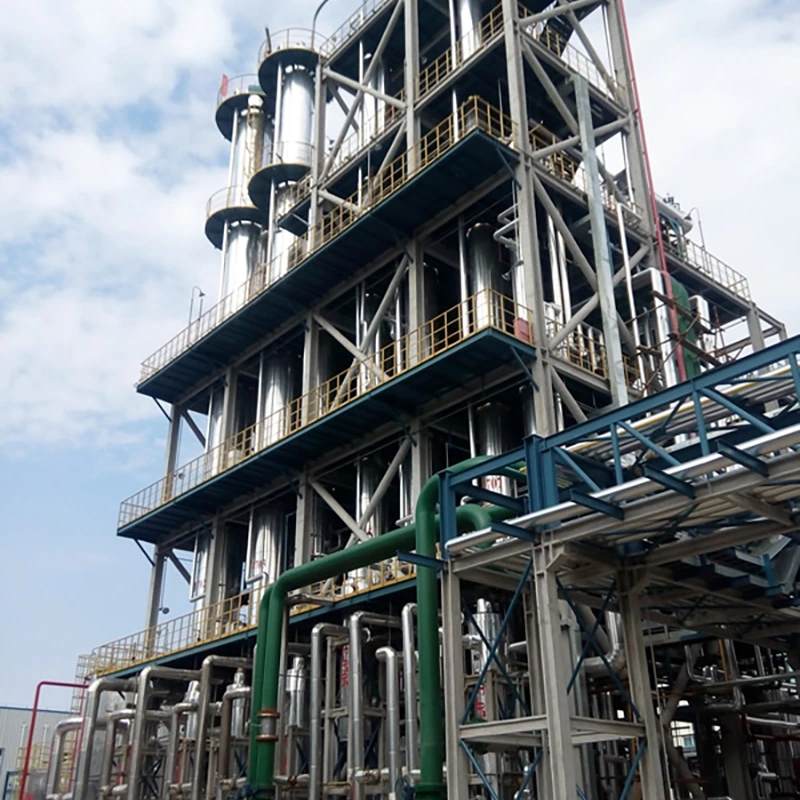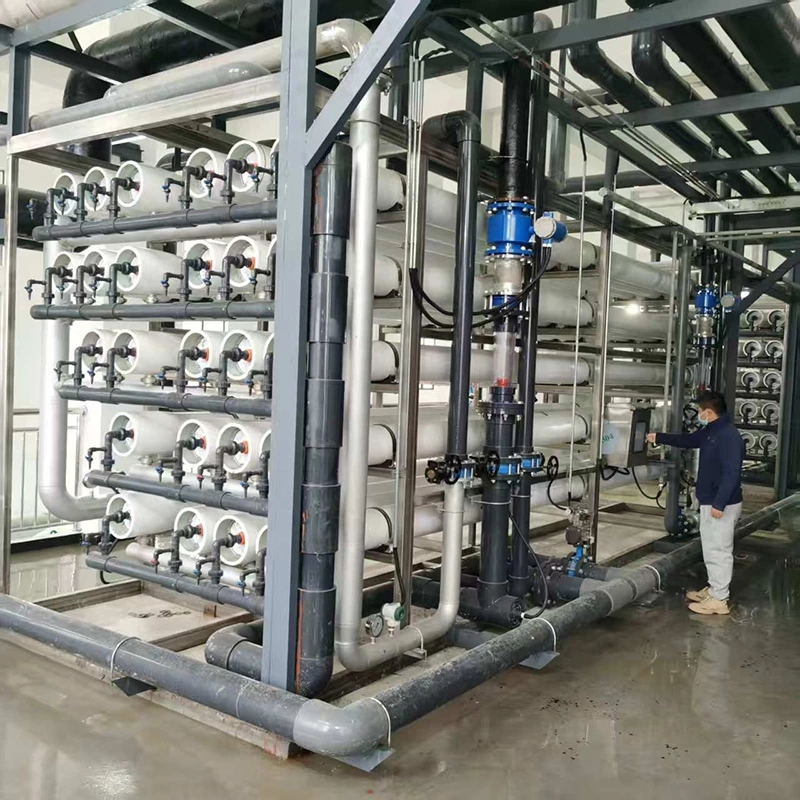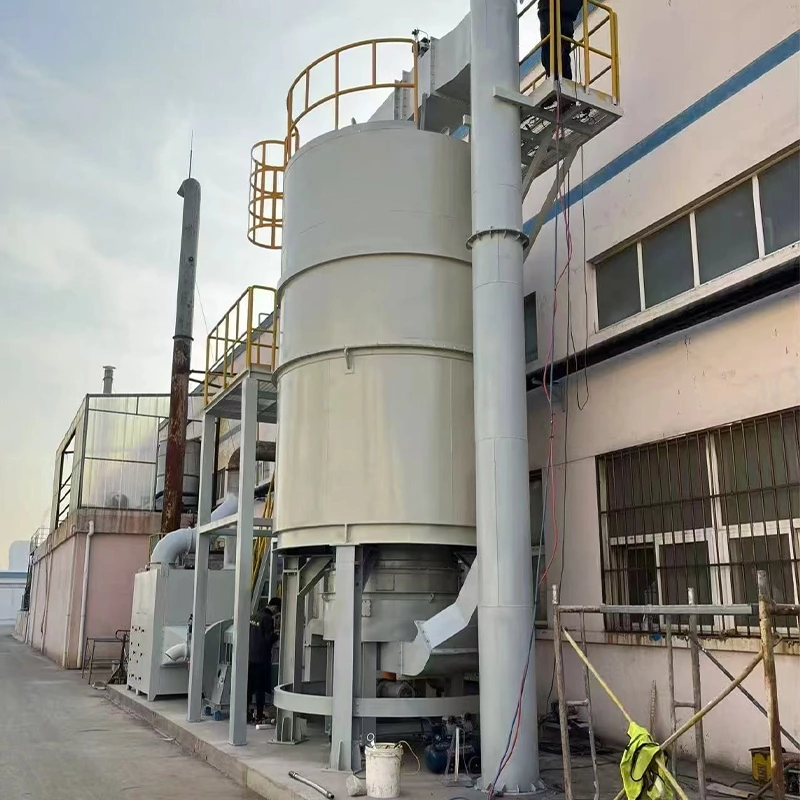
With the rapid development of the food industry, the scale and quantity of food factories have increased rapidly. In the process of food production an
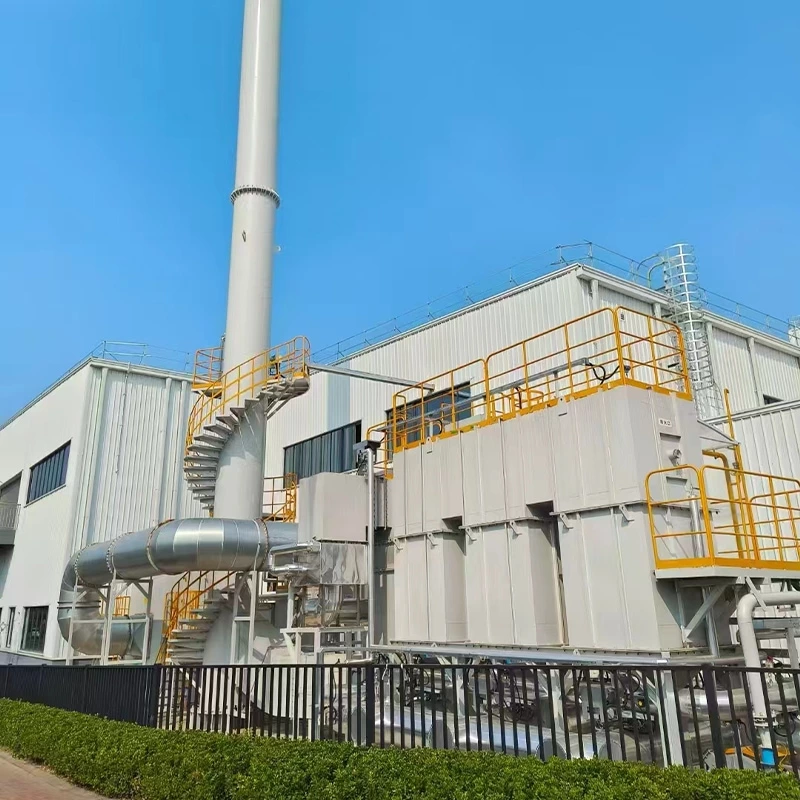
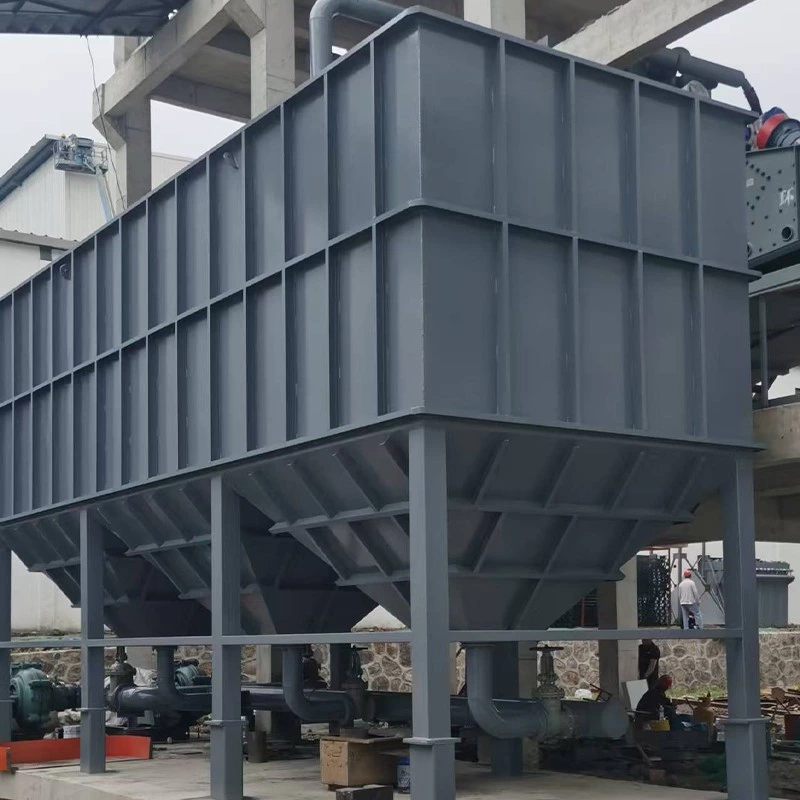
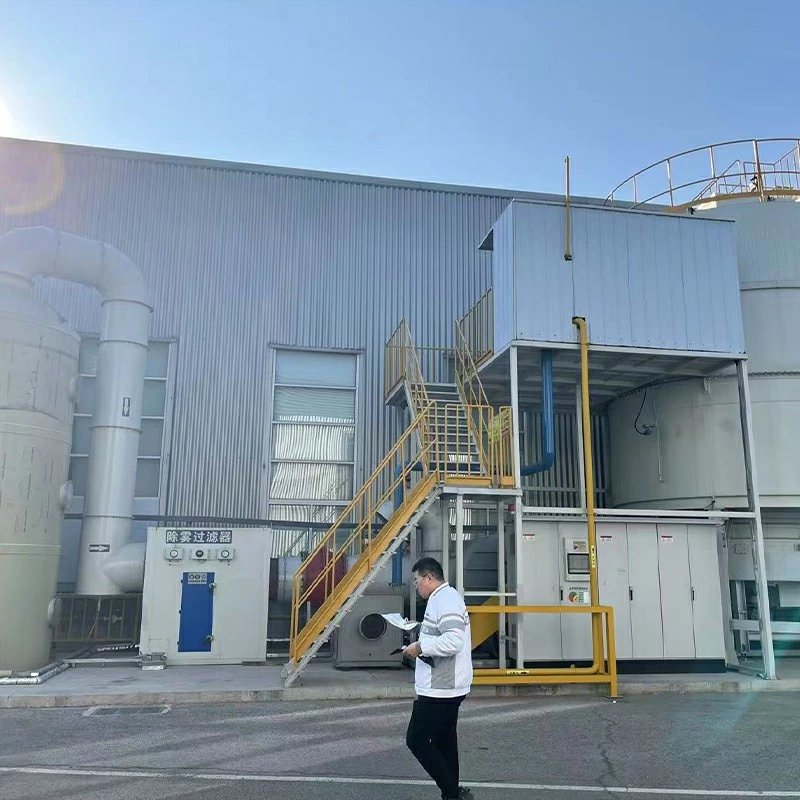
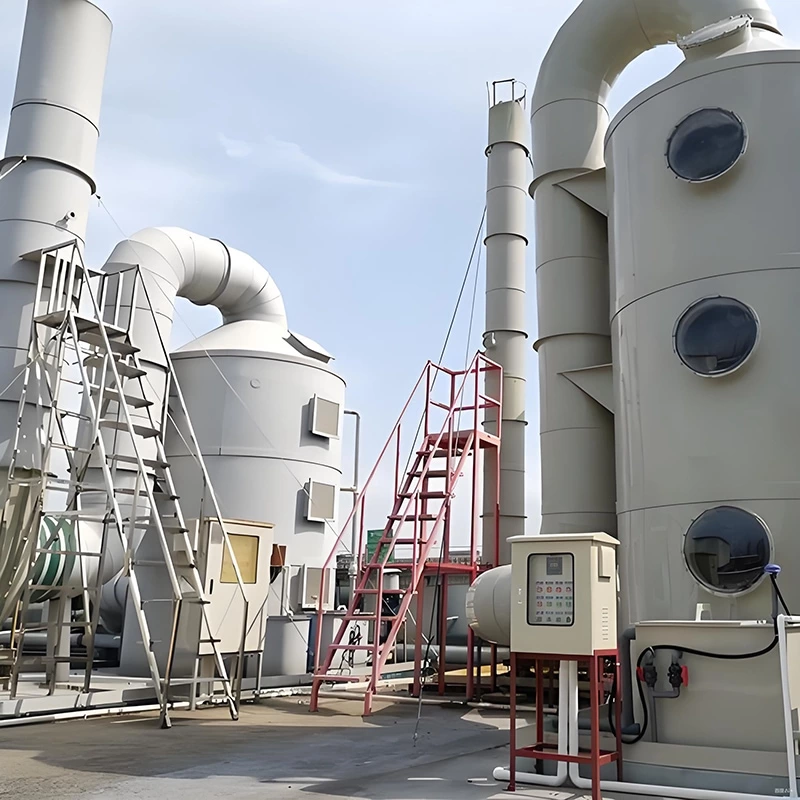
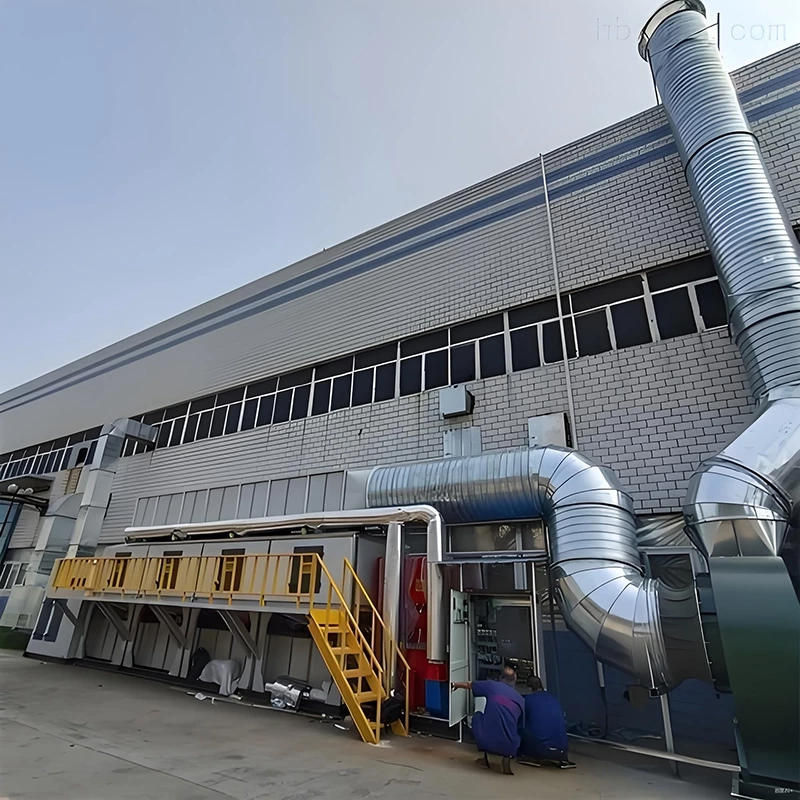
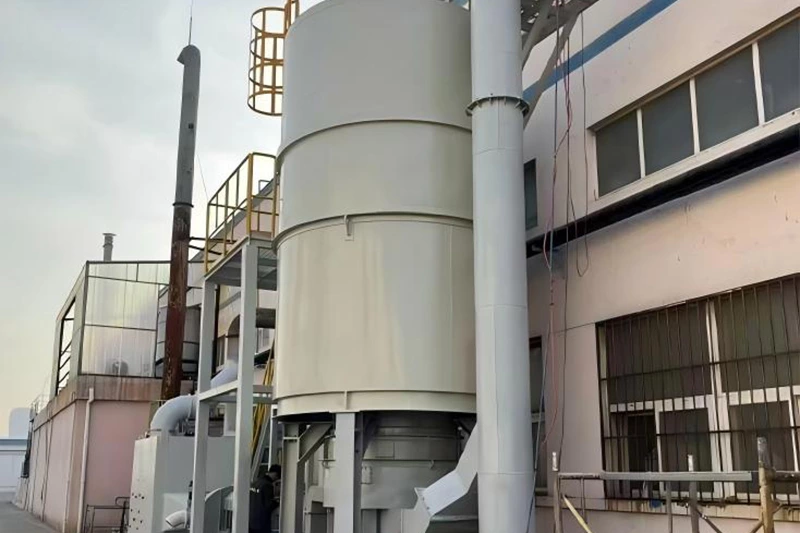
The main process of the waste gas treatment system usually begins with collecting and summarizing the dispersed industrial waste gas through the gas collecting hood or pipeline, and then introducing the waste gas into the pretreatment stage through the power provided by the fan, where the interfering substances such as dust, particulate matter or water vapor are removed; The pretreated waste gas enters the core treatment unit, and the gaseous pollutants in it are degraded or transformed by physical, chemical or biological methods; Finally, the purified gas can be discharged at high altitude through the chimney or exhaust pipe, and the by-products separated in the treatment process are properly collected and disposed of later, thus completing the whole process from collection, purification to standard discharge.
According to the principle, the waste gas treatment system can be divided into many types, mainly including physical methods, such as activated carbon adsorption and filtration dust removal, direct removal of pollutants through adsorption or interception, chemical methods, such as washing tower dissolving waste gas through acid-base neutralization, catalytic combustion and thermal combustion transforming organic matter into harmless carbon dioxide and water through oxidation reaction, biological methods, such as degrading pollutants into simple materials by microorganisms, and plasma methods. In practical application, these technologies are often combined into a combined process to achieve the goal of efficient and economical purification of industrial waste gas with different components and concentrations.
Process core: Single-effect mechanical vapor recompression (MVR) technology is adopted. This is an efficient and energy-saving evaporation method. The
With the rapid development of the food industry, the scale and quantity of food factories have increased rapidly. In the process of food production an
Feel free to contact us with a project proposal, quote or estimation, or simply to say hello. Here’s our contact info.
We use cookies to collect information about how you use this site. We use this information to make the website work as well as possible and improve our services.more details