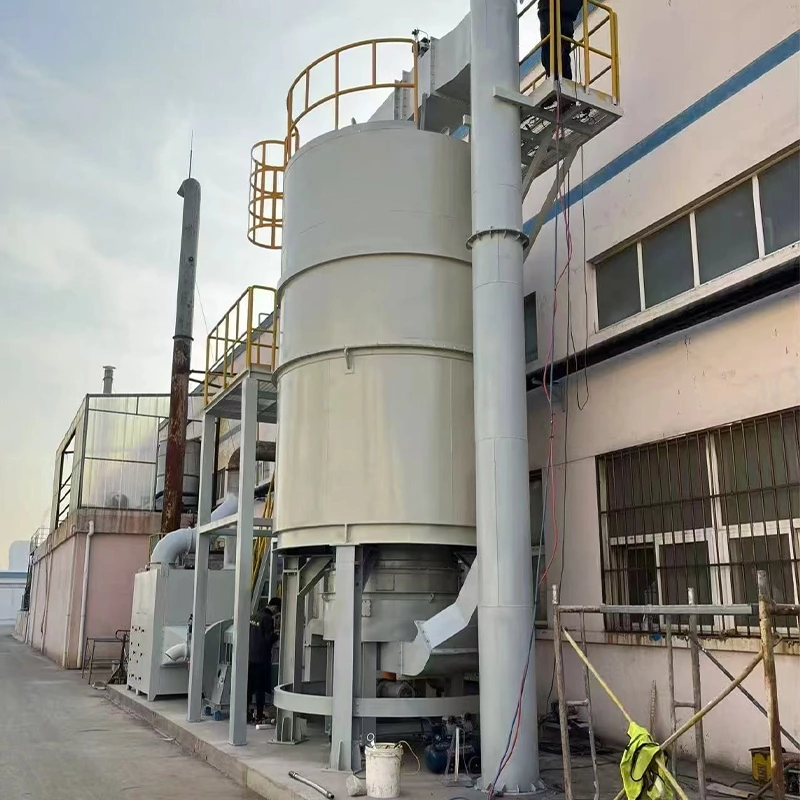
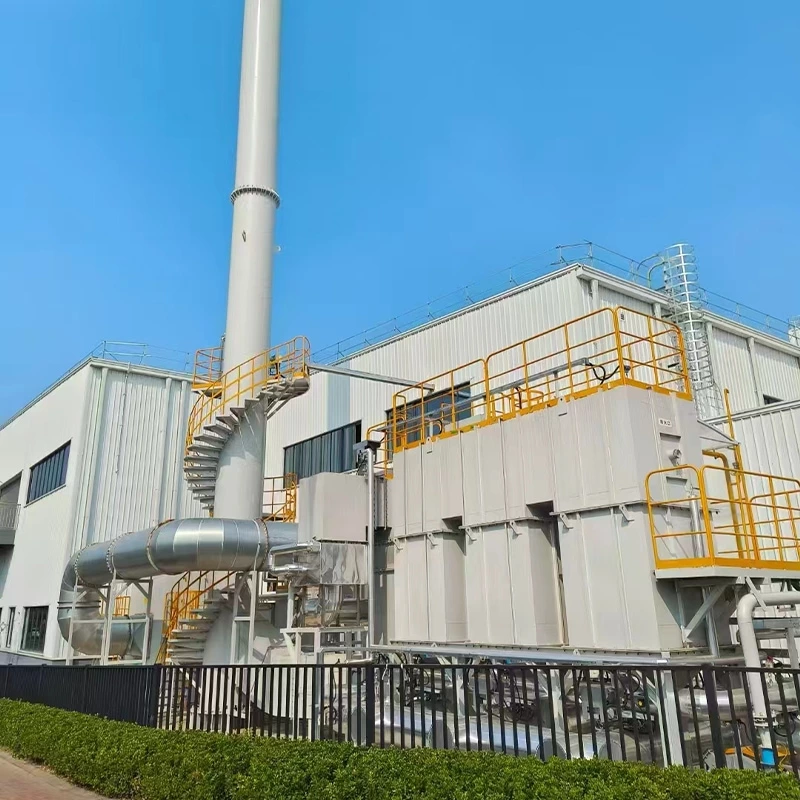
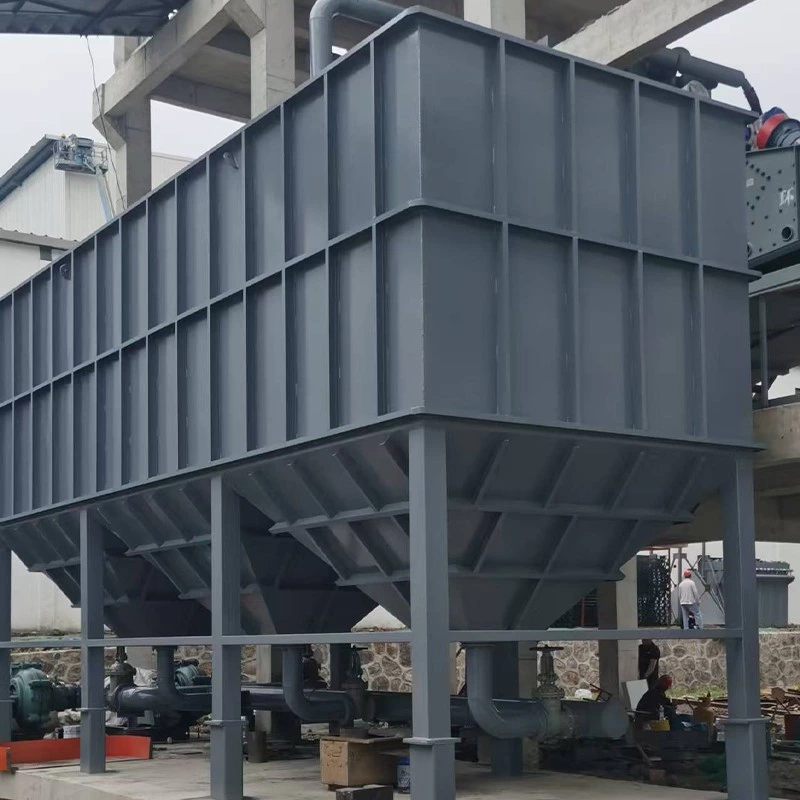
Fermentation Waste Gas Treatment System
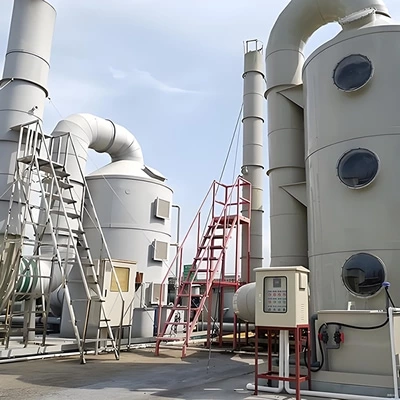
Fermentation waste gas mainly comes from industrial processes such as food, beverage, wine-making, biopharmaceuticals, biochemical industry and so on, which use microorganisms to produce. Although the output of these waste gases is relatively small compared with the chemical industry, their composition is complex. It is a typical "high humidity, low concentration, multi-component, malodorous" refractory waste gas.
1.The main components of fermentation waste gas
VOCs: Organic solvents such as ethanol, acetone, butanol and ethyl acetate.
Odor substances: hydrogen sulfide, mercaptan, ammonia, amines, indole, etc., are the main sources of odor.
Carbon dioxide: the main product of microbial metabolism.
Water Vapor and Suspended Matter: Exhaust gas is usually high in humidity and may carry medium foam or microbial aerosol.
Temperature and humidity fluctuation: the temperature and humidity of waste gas will change greatly at different stages of fermentation process.
2.Waste gas treatment process
Because of the complex composition of fermentation waste gas, it is often difficult to achieve the ideal effect by a single process, so the combined process is the most common and effective solution. A typical processing flow is as follows:
(1)Pretreatment system:
Dust removal and fog removal: use water washing tower or cyclone separator to remove medium foam, microbial aerosol and some water-soluble substances (such as ammonia and hydrogen sulfide) from waste gas. This can effectively reduce the load of subsequent processing units.
Temperature and humidity adjustment: For biological method, it is necessary to adjust the temperature and humidity of waste gas to the range suitable for microorganisms.
(2)Core processing system:
Biological method: Biotrickling filter tower or biofilter is the first choice for core treatment. It can efficiently and economically remove most biodegradable VOCs and malodorous substances.
Chemical washing method: If the waste gas contains high concentration of specific inorganic substances (such as high concentration of HS), chemical washing can be given priority as the core treatment.
(3)Fine treatment system:
Activated carbon adsorption tower: set at the end of the process, used to capture trace VOCs and malodorous substances that cannot be completely removed by biological method, so as to ensure the discharge standard. This is very effective for dealing with shock load or fluctuation of working conditions.